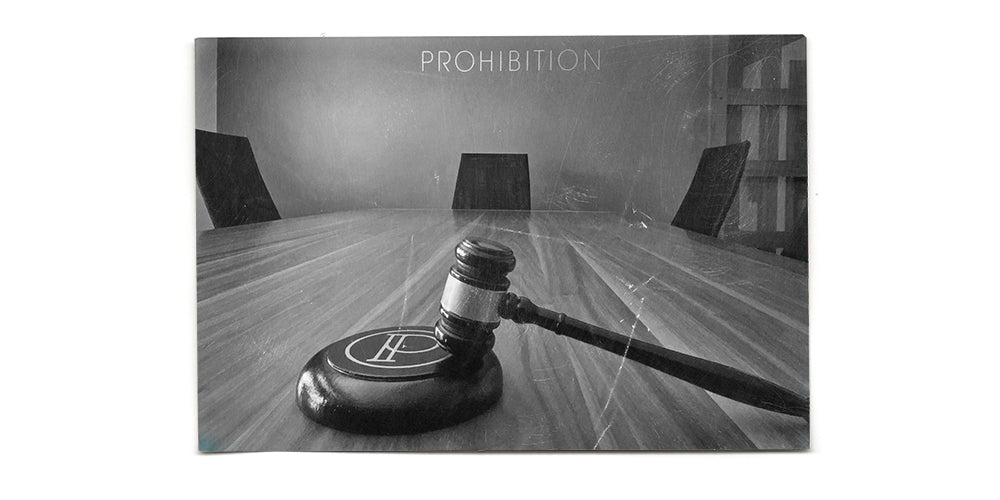
Stop the Madness Ban Booze Forever

Just Kidding :) We Love Booze!

1901:
PEI is the first Canadian province to achieve prohibition.  The remaining provinces are by the end of the First World War.

April 30, 1904:
A Toronto West End neighbourhood goes dry to end drunken rowdiness.  Residents of West Toronto, now called the Junction, ban alcohol to stop fights between men working in the railway stockyards.  A series of failed referendums leaves the Junction dry until 1997.

1920s:
Prohibition is widespread in Canada.  Details vary between provinces, but most drinking establishments are closed and the sale of alcohol is forbidden with some private exceptions.  Aboriginal wines are also exempt.  Alcohol can still be sold through the government for industrial, scientific, mechanical, artistic and medical uses.  Distillers can sell their products outside their own province with proper documentation.
The sale of alcohol flourishes nationwide under several different guises.  Illegal drinking establishments, known as speakeasies, spring up everywhere.  In some provinces, people who claim to be ill can buy alcohol with a doctor's prescription.  The prescription system is widely abused, a point noticed most during the Christmas holiday season with long lineups at neighbourhood drugstores.

In 1920, British Columbia votes to make alcohol available through the government. Manitoba and Saskatchewan follow a year later.  The remaining provinces vote against prohibition by 1930, with the exception of P.E.I., which stays dry until 1948.

The United States remains under strict prohibition until 1933.  The ban is intended to reduce crime, solve social problems and improve the health of American citizens.  Instead, alcohol becomes more popular, creating an underground economy of booze smugglers and rumrunners.  The U.S. hires 5,000 officers to enforce prohibition laws across the country, which is an impossible task.  Some argue that prohibition has made alcohol easier to buy.  The U.S. Coast Guard spends its time policing the Canada-U.S. border and routinely sinks boats carrying booze from Canada.